
A Student's Death and Questions About Religious Exemptions
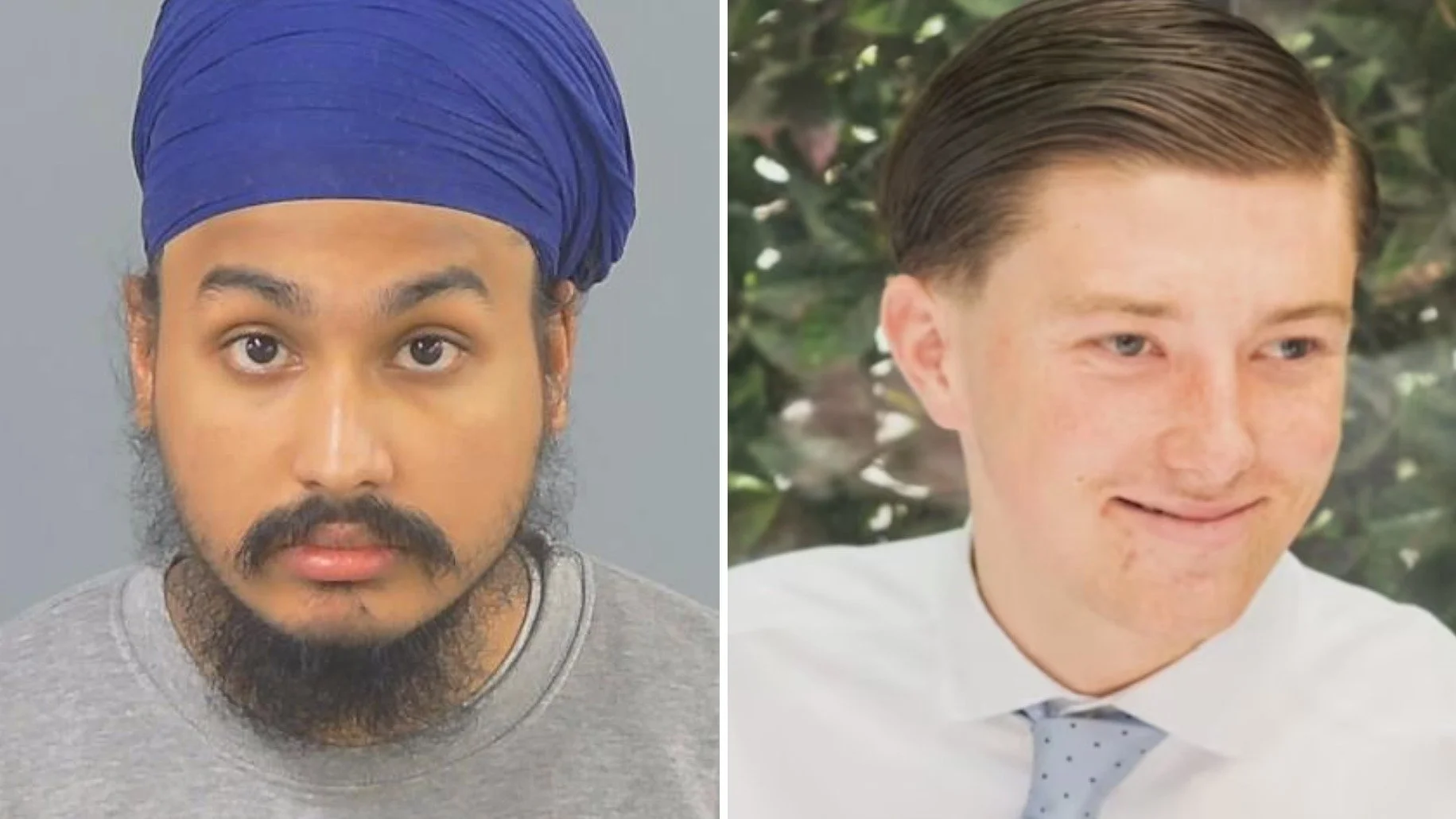
Who Henry Nowak Was
Henry Nowak was an 18-year-old first-year student at Southampton University, studying accountancy. He was the first member of his family to attend university. Those who knew him described him as kind, hardworking, ambitious, careful and principled. He was devoted to his family and had a bright future ahead of him. On the evening of 3 December 2025, he was walking home through Southampton after a night out with friends. That evening would be his last.
The Incident
Around 11.30 pm on Belmont Road in Southampton, Nowak encountered a 23-year-old man. What happened next became the subject of a high-profile trial. According to prosecutors, the man attacked Nowak without justification, stabbing him five times with a 21-centimetre blade. The blade caused a fatal chest wound. The defendant's account was entirely different. He claimed Nowak had barged into him on the pavement whilst drunk, and that Nowak had continued pursuing him, making racist remarks and punching him. The defendant said he acted in self-defence, using a knife he carried as part of his religious faith. However, mobile phone footage captured by Nowak shortly before the violence broke out told a different story. The video evidence, together with eyewitness accounts and forensic detail, contradicted the defendant's account.
What Happened After the Stabbing
Court evidence revealed that after stabbing Nowak, the defendant filmed him for around five minutes whilst he lay injured on the ground. The defendant did not call for an ambulance. Instead, when police arrived at the scene, the defendant accused Nowak of being the aggressor and claimed to have been racially abused. Police officers, acting on the defendant's account, handcuffed the dying teenager. Body-worn camera footage later released publicly showed Nowak repeatedly saying "I cannot breathe" whilst he lay on the ground handcuffed. He was unresponsive and did not appear to be resisting. Nowak lost consciousness and died shortly after receiving first aid. A police source later described the decision to handcuff the injured teenager as "inexplicable". The Independent Office for Police Conduct is currently investigating the conduct of the officers at the scene, reviewing body-worn footage and other evidence.
The Trial and Conviction
The case went to trial at Southampton Crown Court. The jury heard evidence about the mobile phone footage, forensic details about the blade, and testimony about what happened in those crucial moments on Belmont Road. Prosecutors described the defendant as having a weapons obsession and presented evidence to show he carried multiple items beyond the knife he used that night. The judge instructed the jury to consider whether the defendant might instead be guilty of manslaughter if they believed he used self-defence but used excessive force. The jury rejected the self-defence claim entirely. On 28 May 2026, they convicted the defendant of murder.
The Sentence and Its Implications
On 1 June 2026, the judge imposed a life sentence with a minimum term of 21 years before the defendant becomes eligible for parole. An additional two-year sentence for carrying a knife in public was made to run concurrently. The judge acknowledged that the defendant may initially have had a legal reason for carrying the blade, but noted that any such reason must have ended once he removed it from its sheath and used it as a weapon. The judge considered aggravating factors in the case, including the nature of the attack and the defendant's conduct afterwards. However, the judge also took into account the defendant's age, which was 22 at the time of the murder, and his lack of previous convictions.
What the Case Revealed About Law and Religion
This case has raised profound questions about how English law treats religious exemptions for carrying weapons. Some followers of the Sikh faith carry a ceremonial blade called a kirpan as part of their religious practice. The law recognises this religious exemption in certain circumstances. However, the case highlighted tensions between accommodating religious practice and protecting public safety. Prosecutors argued the defendant was obsessed with weapons and used the religious exemption as cover for carrying a larger blade than would typically be carried for religious purposes. The Sikh community itself moved quickly to condemn the murder and issued a statement noting that the blade used was not a normal kirpan as worn by fully practising Sikhs, and that this nuance was critically important. The case has prompted discussions about how police are trained to identify legitimate religious exemptions and how those exemptions interact with public safety concerns.
The Fallout and Ongoing Legal Proceedings
The case did not end with the defendant's conviction. The defendant's mother, Kiran Kaur, aged 53, was found guilty of assisting an offender for attempting to conceal the murder weapon. The defendant's father and brother have appeared in magistrates' court charged with multiple weapons offences relating to alleged possession of items including knuckledusters, machetes and swords. These parallel proceedings suggest the weapons issues in this case extended beyond a single incident to wider family circumstances. The attorney general's office has also received multiple requests to review the sentence under the unduly lenient sentence scheme, which allows the government to challenge sentences it considers insufficiently harsh. The law officers have 28 days from sentencing to make a decision. The Independent Office for Police Conduct continues its investigation into police conduct at the scene.
The Impact on the Family and Community
Henry's father, Mark Nowak, has described the devastating and lifelong impact of his son's death on the family. However, he has warned against others exploiting his family's tragedy for their own purposes. Despite this plea, far-right groups have sought to weaponise the case, with political figures and activists using it to stoke tensions. This has created additional pain for the victim's family and for the wider Sikh community, many members of which have themselves been victims of hate crimes and discrimination. The case has divided public opinion and prompted serious questions about how the criminal justice system handles cases with significant community impacts and competing narratives about identity, religious practice and public safety.