

A Student's Death and Questions About Religious Exemptions
An 18-year-old university student was murdered in Southampton in December 2025 after being stabbed five times. His killer claimed self-defence, saying the victim had been abusive and attacked him first. A jury rejected this account entirely and convicted him of murder in May 2026. The case has sparked urgent questions about how the law treats religious exemptions for carrying weapons, police conduct at the scene, and how the criminal justice system navigates cases involving identity and community tensions. Legal proceedings against other family members continue.
When Home Is Everywhere: How Shakira Fought Spain's Tax Authorities and Won
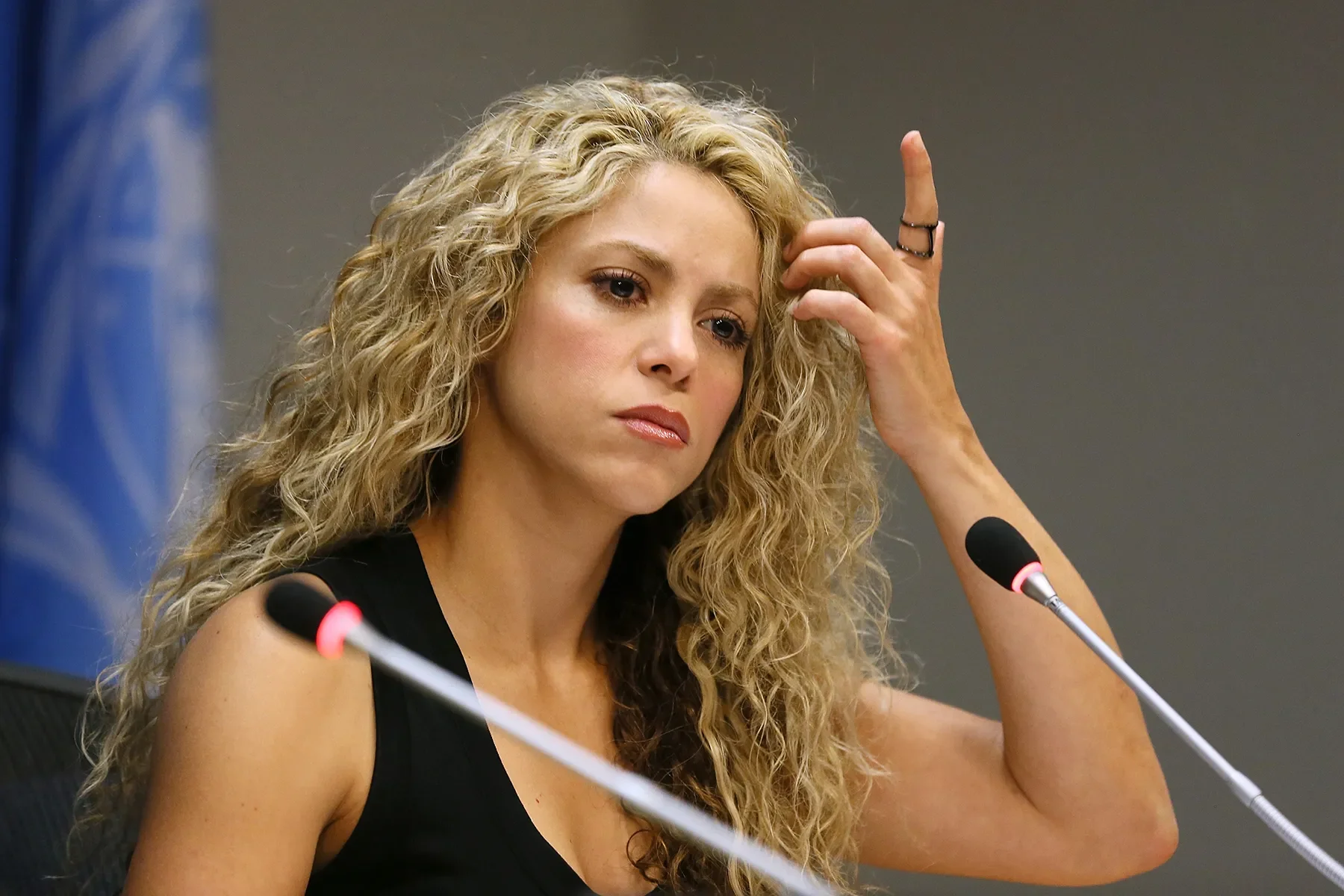
A Spanish court has acquitted Shakira of tax fraud relating to the 2011 tax year and ordered the government to repay more than 60 million euros in penalties, finding that the singer spent just 163 days in Spain that year, twenty short of the legal threshold for tax residency. The ruling, which the tax authority plans to appeal, is the latest development in an eight-year legal saga that has already included a separate plea deal covering a different period. The case raises wider questions about how tax residency is determined for internationally mobile individuals, and whether personal relationships can ever substitute for hard evidence of physical presence.
Is Social Media Becoming the Next Tobacco Litigation?
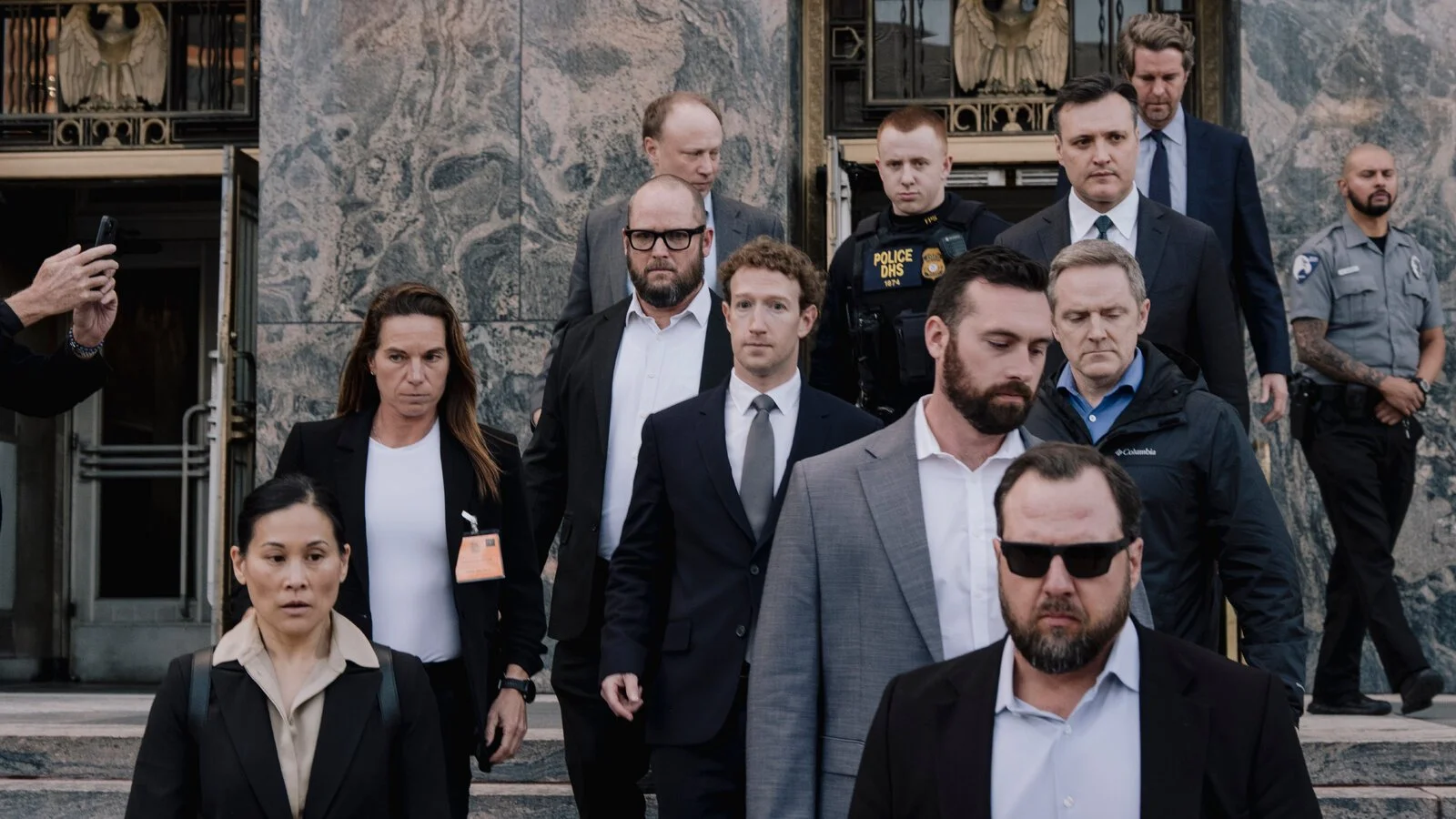
A wave of lawsuits against social media companies is reframing platforms like Instagram and TikTok as potentially defective products rather than neutral services. Plaintiffs allege that addictive design features contributed to youth mental health harms, drawing comparisons to early tobacco litigation. As courts grapple with product liability, algorithmic responsibility, and causation, these cases could fundamentally reshape how the law treats digital platforms.
Has the High Court Just Greenlit Mass Surveillance?
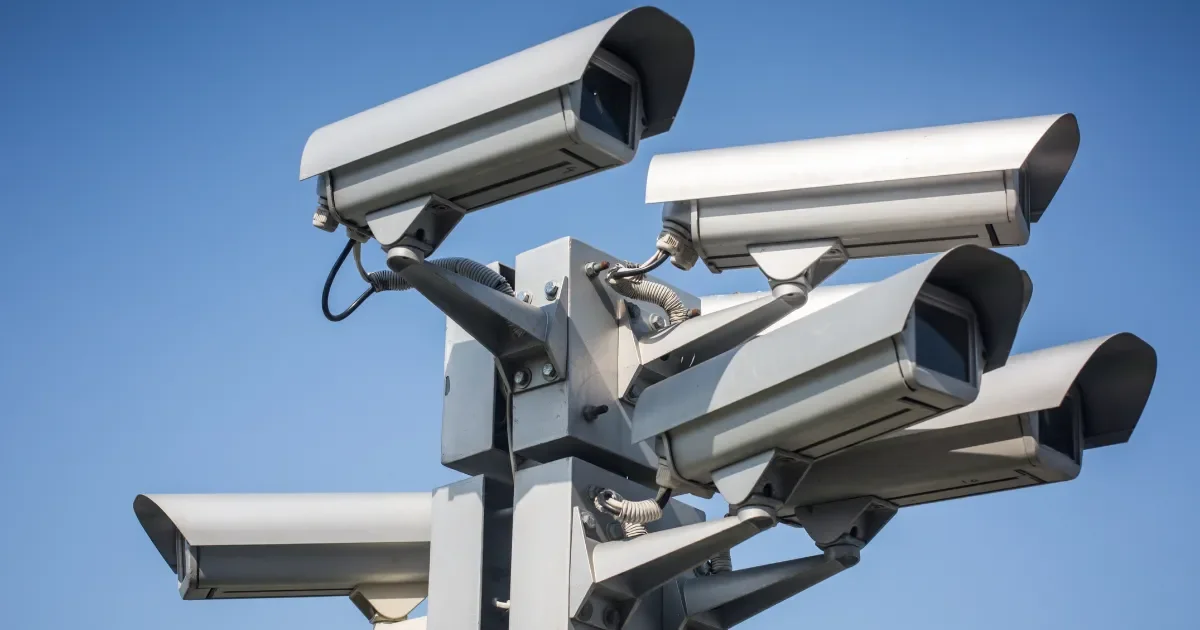
The High Court’s decision to uphold the Metropolitan Police’s use of live facial recognition technology may prove to be a turning point in the relationship between privacy and policing. While judges accepted that the technology interferes with individual rights, they concluded that current safeguards were sufficient to justify its use. The ruling raises profound constitutional questions about surveillance, state power, and whether democratic societies are slowly becoming comfortable with the routine monitoring of the public.

Can Companies Legally Replace Employees with AI?
As companies increasingly replace human labour with artificial intelligence, courts are beginning to examine whether cost-saving automation alone can justify dismissing employees. A recent ruling in China has reignited debate over how employment law should respond to AI-driven restructuring and whether existing legal protections are strong enough for the modern workplace.

Power, Process and Proof: Lessons from the JPMorgan Senior Executive Misconduct Lawsuit
A lawsuit involving a senior JPMorgan executive has highlighted key employment law issues including harassment, retaliation, and the duty to conduct fair internal investigations. The dispute is a reminder that workplace policies carry real value only when they operate effectively in moments of serious challenge.
When Procedure Decides Principle: The Collapse of the Assisted Dying Bill
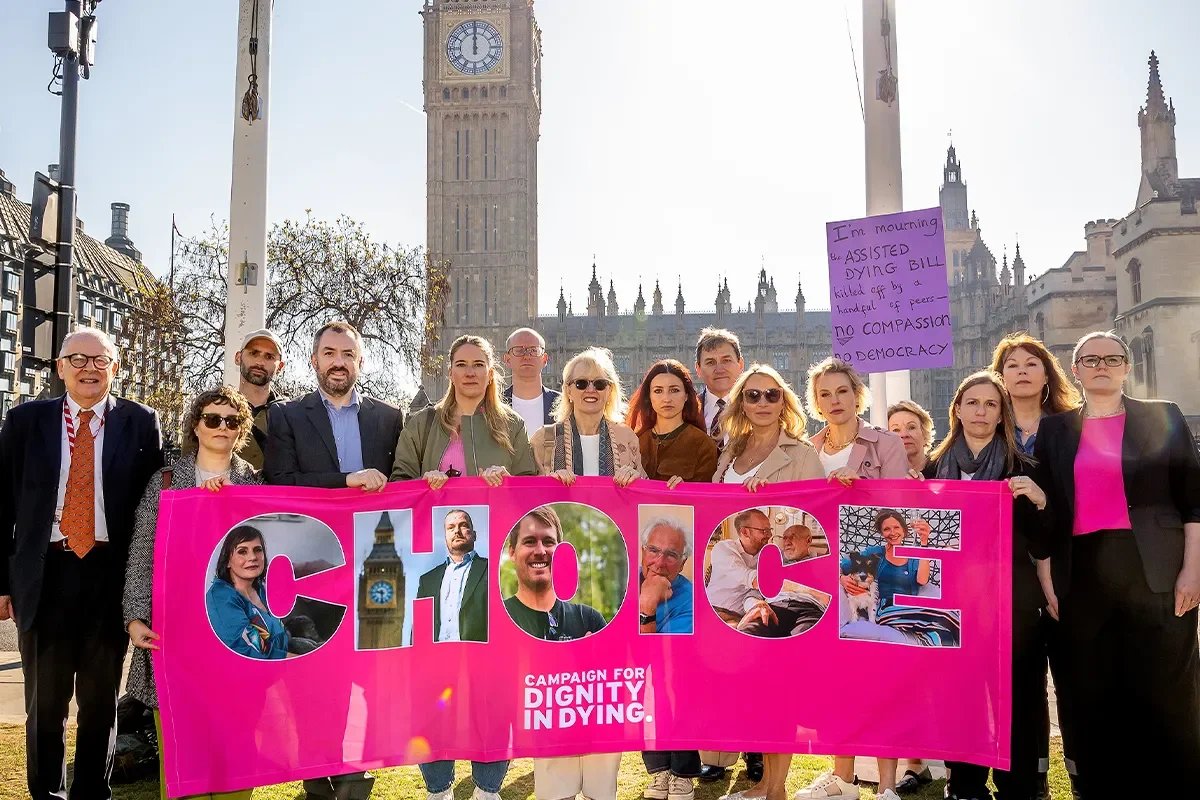
A proposed law to legalise assisted dying in the UK has failed, not because Parliament voted against it, but because it ran out of time. The episode shows how procedural rules, not just political views, can determine whether major legal reforms ever become law.

When the Government Says No: The Legal Power to Ban a Performer
A major music festival was cancelled after Kanye West was refused entry to the UK. The case highlights the government’s broad legal power to exclude individuals on “public good” grounds and raises difficult questions about free speech, public protection, and the wider impact on commercial events.
Can UK Courts Rely on Foreign Convictions That May Be Flawed?
Can UK courts rely on foreign convictions that may be flawed? The Supreme Court’s decision in Mueen-Uddin could reshape how foreign findings are treated in UK proceedings and where the line is drawn to protect fairness.

DLA Piper pregnancy trial puts law firm culture on trial too
A major law firm is facing a jury trial after a former senior associate claimed she was dismissed shortly after asking for maternity leave. The case has drawn attention because it raises a simple but important question: was the dismissal really about performance, or was pregnancy part of the reason? Beyond the individual claim, the trial puts the spotlight on law firm culture, workplace fairness and how major firms handle maternity leave and discrimination risks.

The International Olympic Committee’s new women’s sport rule and the legal fight behind it
The International Olympic Committee (IOC) has announced that from the Los Angeles 2028 Olympics, the women’s category will be limited to biological females. At first glance, this may seem like a sports rule only. In reality, it raises much bigger questions about fairness, privacy, equality and who gets to decide who can compete in women’s sport. This is why the IOC’s decision is not just a sporting issue, but an important legal one too.
Hassam v Rabot and What It Means for Injury Claims and Fair Compensation
A road traffic accident may seem simple on the surface, but Hassam v Rabot shows how quickly compensation law becomes more complex when more than one type of injury is involved. In this case, the Supreme Court had to decide how damages should be worked out where a claimant suffered both a tariff whiplash injury and a separate non-whiplash injury. The result is an important decision on fairness, statutory reform, and the limits of what Parliament intended the whiplash rules to do.

How Revolut Got Its Banking Licence
Revolut began as a financial technology company offering simple digital banking services through a mobile app. As the company grew and gained millions of users, it aimed to become a fully licensed bank. However, getting a banking licence in the United Kingdom requires strict approval from financial regulators, who must ensure that the company is stable, well managed, and able to protect customers’ money.

The US Israel Iran Conflict and What It Means for Law Firms and Their Clients
Rising tension between the United States, Israel and Iran is not only a political and military issue. It also creates serious legal challenges for businesses and the lawyers who advise them. When governments respond to conflict with sanctions, trade restrictions and financial controls, companies must quickly understand what they are still allowed to do under the law. For many businesses operating across borders, even a small mistake can lead to large fines or legal disputes. Law firms play an important role during these moments. They help companies understand complex rules, review contracts, and make sure business activities remain lawful. As geopolitical tensions increase, the legal consequences often spread far beyond governments and affect banks, energy companies, technology firms and global supply chains.

NatWest’s takeover of Evelyn Partners: what it means legally and what happens next
NatWest’s planned £2.7 billion takeover of Evelyn Partners is one of the most significant UK financial deals announced this week. If completed, it would allow the high-street bank to expand beyond traditional lending into wealth management, a sector that generates income through fees rather than interest on loans. However, the agreement is only the first step. Large acquisitions must pass strict regulatory checks to ensure they do not harm competition, financial stability or customers. For now, both firms continue to operate separately while approvals are considered. Customers are unlikely to see immediate changes, but over time the combined business may introduce new services, restructure operations or integrate systems. The deal reflects a broader shift in banking, where major institutions are seeking more stable and diversified sources of income in an uncertain economic climate.

Prince Andrew’s reported arrest: what it means legally and what happens next
Reports that Prince Andrew has been arrested do not mean he is guilty. In the UK, an arrest is often used so police can interview someone under caution and secure evidence while an investigation continues. The allegation, misconduct in public office, is about serious misuse of a public role. Next, police will gather evidence and may release him under investigation or on bail. If there is enough evidence, prosecutors decide whether to charge, and only then would the case move into court.

The CV Lie That Can End a Legal Career Before It Starts
A lot of people feel pressure to “fix” their CV when their grades are not strong, especially when they are aiming for City law firms. This article tells the story of a solicitor who had graduated from Birmingham City University with a 2:2 but applied to a City firm claiming he had attended the University of Aston, gained a first class honours law degree, achieved a “very competent” result on the Bar Professional Training Course, and held a postgraduate law degree. It explains, in simple terms, why this matters so much in law, how employers usually find out, and why one lie can damage trust more than any grade ever could.

Why the Saudi Government Was Held Liable in a UK Court
The UK High Court’s decision to award £3 million in damages against the Saudi government highlights the limits of state immunity when serious harm is alleged. The court made clear that unlawful surveillance and physical attacks cannot be protected simply because they are linked to a foreign state. By allowing the claim to proceed and ruling in favour of Ghanem al-Masarir, the court confirmed that UK law can offer protection to individuals targeted within its jurisdiction, even where complex diplomatic issues are involved.