
When Procedure Decides Principle: The Collapse of the Assisted Dying Bill
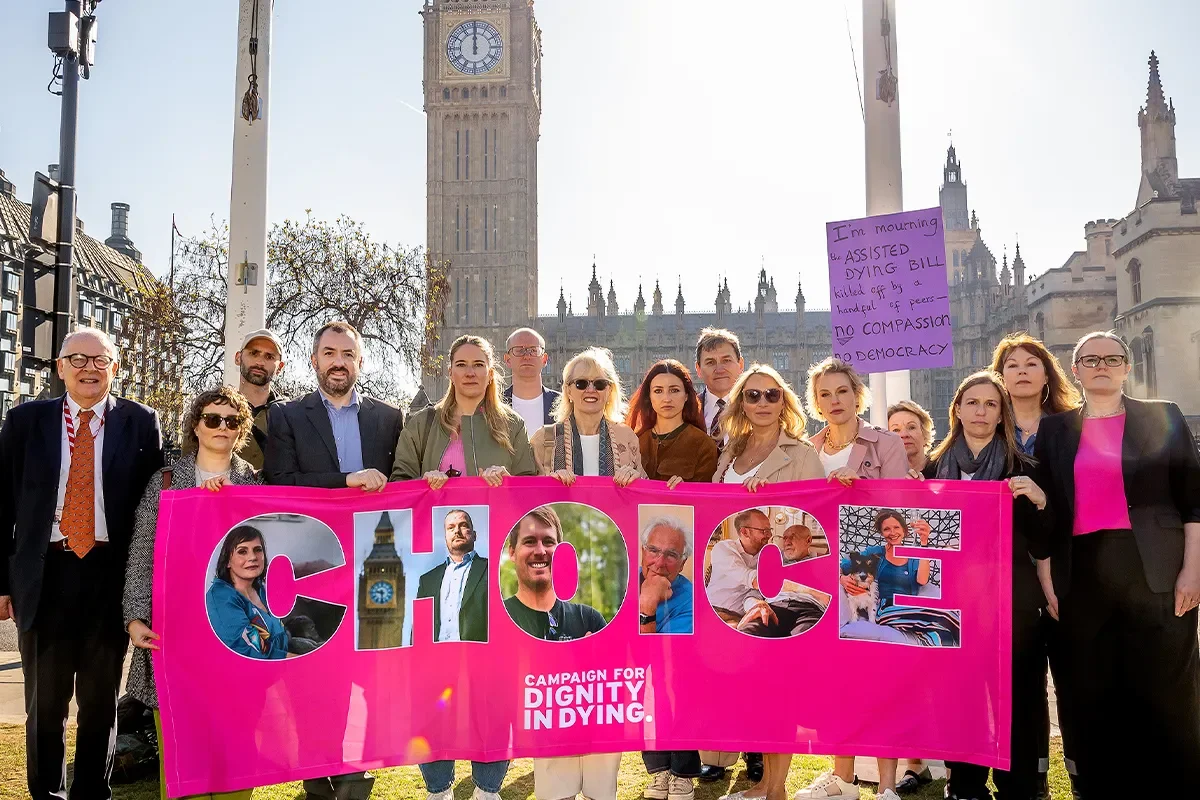
A Reform That Never Reached a Vote
The latest attempt to legalise assisted dying in the UK has not failed because Parliament decisively rejected it, but because it never made it that far. A proposed bill, intended to allow terminally ill individuals greater control over the timing of their death, ran out of parliamentary time in the House of Lords. Without a final vote, the proposal simply fell away. This outcome highlights a subtle but powerful feature of the UK’s legislative system: significant legal reforms can be halted not only by opposition in principle, but by the structure and timing of parliamentary procedure itself. For many observers, the result feels incomplete, leaving the underlying legal and moral questions unresolved rather than answered.
The Power of Parliamentary Time
In the UK’s constitutional framework, time is not a neutral resource. Parliamentary schedules are tightly controlled, and progressing a bill requires not just support, but opportunity. Measures that lack sufficient government backing or are deemed controversial can be delayed, debated extensively, or deprioritised until the available time expires. In this case, the assisted dying proposal became a casualty of that system. This demonstrates how legislative outcomes can be shaped as much by procedural mechanics as by substantive legal argument, raising important questions about democratic accountability. When a bill collapses in this way, it avoids the clarity of a recorded decision, leaving both supporters and opponents without a definitive parliamentary stance.
Law, Morality, and Institutional Caution
Assisted dying remains one of the most ethically complex areas of modern law, sitting at the intersection of personal autonomy, medical ethics, and the state’s duty to protect life. Parliament has historically approached the issue with caution, reflecting deep divisions in public and political opinion. The failure of the bill to progress does not signal consensus, but rather continued institutional reluctance to resolve these tensions through legislation. By allowing the proposal to lapse procedurally, Parliament avoids taking a firm legal position on questions that carry profound moral weight, effectively maintaining the status quo while postponing further confrontation with the issue.
What This Means for Future Reform
The collapse of the bill is unlikely to end the debate. Instead, it reinforces a pattern in which assisted dying proposals repeatedly surface, generate significant discussion, and then fail to translate into law. For future reform efforts, the lesson is clear: success will depend not only on persuading lawmakers of the merits of change, but also on navigating the procedural realities of Parliament. Without sufficient time allocation and institutional support, even widely debated and carefully drafted proposals may never reach the decisive stage. As a result, the legal position remains unchanged, and the broader question of whether the law should evolve continues to be deferred rather than determined.