
When the Government Says No: The Legal Power to Ban a Performer
The Story Behind the Ban
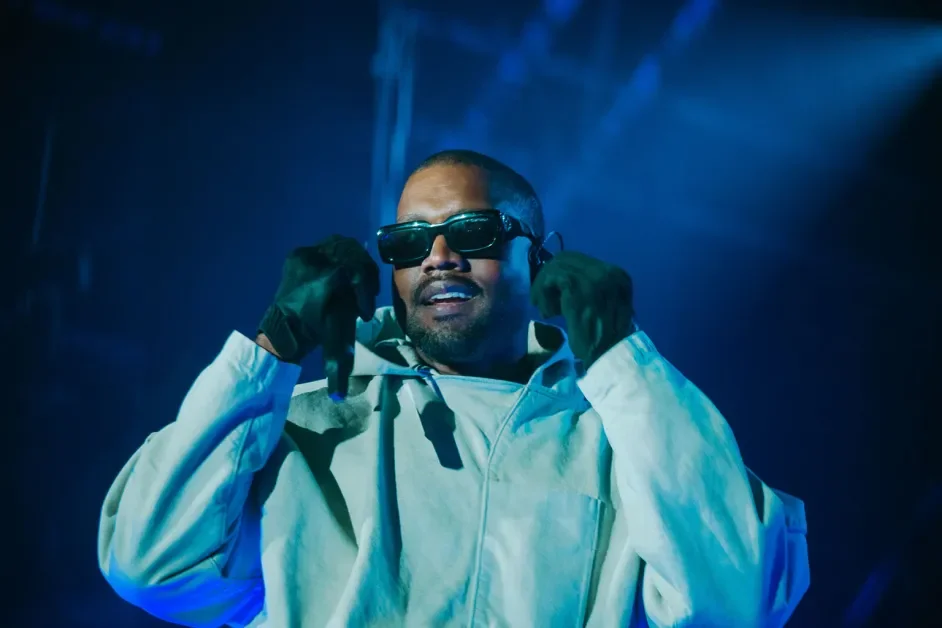
In April 2026, a major music event in London collapsed after Kanye West was refused entry into the United Kingdom, preventing him from headlining the Wireless Festival. The decision came after significant public and political backlash linked to his past controversial statements, particularly comments widely criticised as antisemitic. Without its headline act, the festival was ultimately cancelled, raising immediate questions about fairness, censorship, and the limits of government power.
The Legal Basis for Refusing Entry
At the heart of this situation is a relatively little-known but powerful rule in UK immigration law. The government has broad discretion to deny entry to non-citizens if their presence is considered “not conducive to the public good.” This is not limited to criminal convictions. It can also include behaviour, speech, or associations that are seen as potentially harmful to society. In this case, officials relied on those discretionary powers, concluding that allowing the performance could contribute to social tension or the spread of harmful views.
Freedom of Expression vs Public Protection
The case highlights a clear legal tension. On one hand, freedom of expression is a fundamental principle in democratic societies, and performing music would normally fall within that protection. On the other hand, the state has a duty to prevent harm, particularly where speech may incite hatred or division. The law does not require proof that violence will occur. It is enough that the individual’s presence could contribute to an environment where harm becomes more likely. This lower threshold gives the government significant flexibility, but also raises concerns about where the line should be drawn.
The Ripple Effect on Contracts and Events
The legal decision did not just affect one individual. It had immediate commercial consequences. The festival organisers, sponsors, and thousands of ticket holders were all impacted. Sponsors withdrew, reputational concerns escalated, and the entire event became unviable. Situations like this expose the legal risks in entertainment contracts, particularly where an artist’s ability to perform depends on immigration approval. It also shows how legal decisions in one area, such as immigration, can have wide-reaching effects across commercial and contractual relationships.
A Broader Trend of Cultural Regulation
This is not an isolated incident. Similar concerns have arisen across Europe, with reports that other countries were also considering blocking performances by the artist. The case reflects a growing willingness by governments to intervene where cultural events intersect with political or social controversy. It raises an important question for the future: should access to a platform be treated purely as a matter of free expression, or as something that can be restricted in the public interest?