
Why Donald Trump Went to Switzerland to Stop New Tariffs and How Greenland Became Part of the Story
A Trade Dispute Under the Global Spotlight
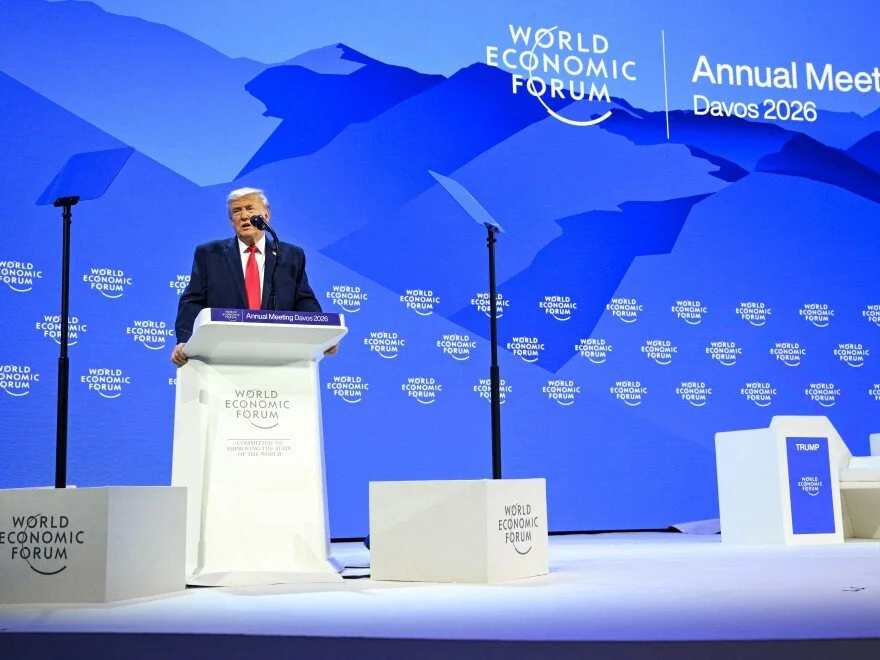
In mid-January, Donald Trump travelled to Switzerland for urgent talks with international leaders as a February 1st deadline approached that could have triggered new trade tariffs. These tariffs would have placed extra taxes on imported goods, raising prices and potentially disrupting trade between the United States and several European countries. With global markets watching closely, the trip quickly became about whether a deal could be reached in time to prevent those tariffs from coming into force.
What Exactly Was About to Happen on February 1st
Tariffs are essentially taxes added to goods when they enter a country. If the February 1st tariffs had taken effect, businesses importing goods into the United States would have faced higher costs, which are often passed on to consumers through higher prices. Trump had made it clear that these tariffs were not just about trade, but about leverage, using economic pressure to push other countries into negotiations on wider political and strategic issues.
How Greenland Entered the Picture
One of those wider issues was Greenland. Several years earlier, Trump had publicly expressed interest in the United States buying Greenland from Denmark, describing it as a strategic asset due to its location in the Arctic and its natural resources. Denmark firmly rejected the idea, with Danish leaders stating clearly that Greenland was not for sale. The proposal was widely criticised at the time and was never seriously entertained.
Why That Earlier Rejection Still Matters
Although the attempt to buy Greenland was denied, it did not disappear from United States strategic thinking. Control and influence in the Arctic have become increasingly important due to climate change, shipping routes, and military positioning. During the recent tariff dispute, Greenland resurfaced as part of broader negotiations about Arctic cooperation and security. European leaders were concerned that trade pressure was being used to reopen a matter they believed had already been settled.
Why Switzerland Became the Meeting Point
Switzerland was chosen because global leaders were already gathering there for the World Economic Forum, an annual meeting where political and business figures discuss global economic issues. This created a rare opportunity for direct, high-level conversations. Rather than negotiating slowly through diplomats, Trump was able to raise concerns face to face with key decision-makers in a short period of time.
What Was Actually Discussed Behind Closed Doors
While the full details were not made public, discussions focused on trade, economic stability, and cooperation in the Arctic region. Trump presented the talks as an effort to secure better terms for the United States, while European leaders stressed the importance of avoiding economic disruption and respecting national sovereignty. The immediate goal was to determine whether enough progress had been made to justify stopping the February 1st tariffs.
Why This Matters for Ordinary People
Although the dispute involved geopolitics and distant territories, its impact would have been felt much closer to home. Tariffs can increase the price of everyday goods such as food, clothing, and electronics. Businesses may delay hiring or investment when trade rules become uncertain. By travelling to Switzerland before the deadline, Trump was attempting to prevent economic fallout that could have affected consumers and workers across multiple countries.
How People Are Reacting
Public reaction has been divided. Supporters argue that using tariffs as leverage forces other countries to take United States demands seriously. Critics say it creates instability and turns economic tools into political weapons. The return of Greenland to the conversation also sparked debate, with some seeing it as strategic realism and others viewing it as unnecessary pressure on allies.
What This Could Mean Going Forward
If negotiations continue successfully, the February 1st tariffs may remain on hold. If talks break down, similar threats could return in the future. More broadly, the episode shows how past disputes, such as the failed attempt to buy Greenland, can resurface years later in new forms. Whether or not a final deal is reached, the situation highlights how trade, diplomacy, and global strategy are increasingly intertwined, with consequences that reach far beyond government meeting rooms.