
Why Prince Harry & Elton John’s Lawsuit Against the Daily Mail Is Making Headlines and What It Could Change
A Major Court Case Under the Spotlight
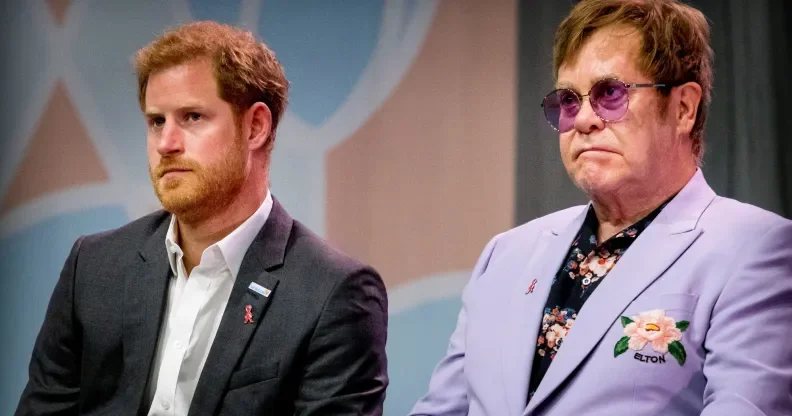
A high-profile privacy case currently before the UK High Court has drawn intense public and legal attention after Prince Harry and Elton John, alongside several other public figures, brought legal action against Associated Newspapers Ltd, the publisher of the Daily Mail. The claimants allege that journalists and private investigators working for the newspaper unlawfully obtained private information over many years, including through phone interception and deceptive data-gathering practices. In simple terms, the case asks whether a major media organisation crossed legal lines in pursuit of stories and whether powerful newspapers can still be held accountable for historical misconduct.
What Exactly Is Changing
At the heart of the case is the legal status of how information is gathered, not just what is published. While press freedom protects journalists’ right to report in the public interest, the law draws a clear boundary when private information is obtained unlawfully. The High Court has ruled that the claims can proceed to trial despite arguments that they were brought too late. The judge accepted that the claimants may not have reasonably known about the alleged wrongdoing at the time it occurred. This decision alone is significant, as it opens the door for courts to scrutinise historic press conduct that would otherwise be time-barred. If the claimants succeed, it would reinforce the principle that unlawful methods cannot be justified by editorial discretion or public interest claims after the fact.
Why This Matters for the Public
Although the case involves celebrities, its implications go far beyond them. Privacy law applies to everyone, and the outcome could affect how newspapers investigate, source, and verify information about ordinary people. For the public, the case highlights an ongoing tension in UK law: balancing a free press with the right to privacy. A ruling against the publisher could strengthen protections against intrusive journalism and reaffirm that media organisations are subject to the same legal standards as other institutions. It also raises broader questions about accountability in powerful industries that shape public opinion but often operate behind closed doors.
Why the Claimants and the Daily Mail Ended Up in Court
The dispute stems from allegations that unlawful practices were used systematically to obtain private information during the late 1990s and 2000s a period already associated with major press scandals in the UK. The claimants argue that these practices caused serious personal harm and would never have been uncovered without later investigations and whistle blowers. The publisher strongly denies the allegations, arguing that its journalism was lawful and that the claims rely on speculation rather than direct evidence. With no settlement reached, the dispute has moved into a full trial, where evidence will be tested under cross-examination rather than debated in the press.
How People Are Reacting
Reaction has been sharply divided. Supporters of the claimants see the case as a long-overdue reckoning for press misconduct and a test of whether media power can be meaningfully checked by the courts. Critics, including some press-freedom advocates, warn that expanding liability for historic reporting could chill investigative journalism and encourage defensive reporting practices. Within legal circles, the case is being closely watched for how the court handles evidence, limitation periods, and the boundaries of responsible journalism.
What This Could Mean Going Forward
Whatever the outcome, the case is likely to influence how future privacy claims are assessed in the UK. Media organisations may be forced to reassess risk around sourcing practices, record-keeping, and reliance on private investigators. For individuals, the proceedings signal that courts are increasingly willing to hear claims against powerful institutions even years after the alleged wrongdoing occurred. More broadly, the case reflects a shift toward greater judicial scrutiny of how influence and power are exercised in the media landscape. Whether or not it leads to sweeping reform, the lawsuit has already sent a clear message: press freedom does not grant immunity from the law.