
Why the Reported Capture of Venezuelan President Maduro Is Making Headlines
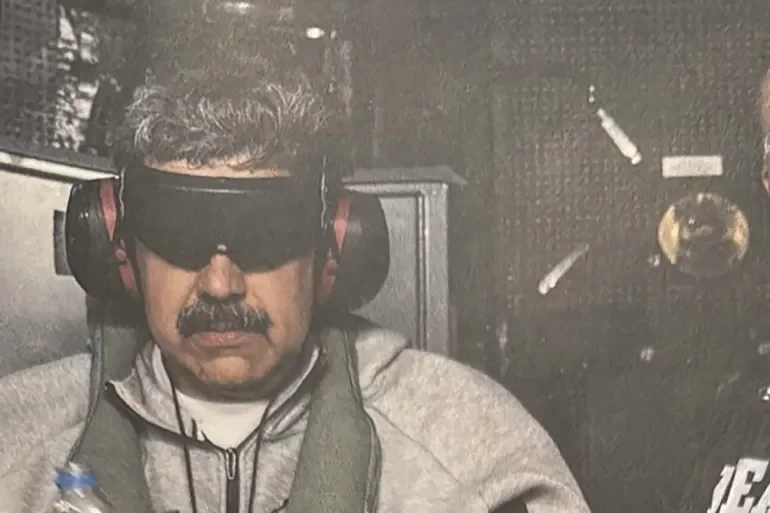
Why the Capture of Venezuelan President Maduro Is Making Global Headlines
The removal of Venezuelan President Nicolás Maduro from Venezuela and his transfer to New York has shocked the world. The United States says they was lawfully arrested and extradited to face serious criminal charges. Venezuela and many international voices say something very different. They describe the event as a kidnapping carried out by a foreign power. This disagreement is why the story has become so important. It is not just about one man. It is about whether powerful countries are allowed to seize the leader of another country and take them away without consent.
What Happened According to Each Side
The United States claims its actions were legal and justified. It says Maduro was wanted for serious crimes and that bringing him to New York was a matter of justice. From this view, the operation is described as law enforcement, not an attack on another country. Venezuela and its allies strongly reject this version. They say Maduro was taken by force from his own country without permission. From their perspective, this was not an arrest but a kidnapping, because it ignored Venezuela’s authority and used power instead of legal cooperation.
Why This Matters Beyond Venezuela
This case matters because it challenges the basic rules that countries rely on to live side by side. International law exists to stop stronger nations from acting however they want. If one country can take the leader of another country whenever it chooses, smaller states lose protection. People around the world are watching closely because the outcome could affect how safe leaders, governments, and even ordinary citizens are when powerful countries decide to act alone.
Sovereignty and Control Over a Country
Every country is supposed to control its own land and government. This idea is called sovereignty. It means no foreign power should enter another country and remove its leader without agreement. Those calling Maduro’s removal a kidnapping say this rule was clearly broken. They argue that even if accusations exist, they do not give another country the right to ignore national borders and authority.
The Use of Force and International Rules
International rules place strict limits on using force between countries. Force is usually allowed only to stop an immediate threat or when the international community clearly agrees. Critics say taking Maduro by force does not meet these conditions. They argue that the operation looks less like justice and more like a show of power, which international law is meant to prevent.
Protection Given to Sitting Leaders
While in office, heads of state are normally protected from arrest by foreign countries. This protection exists to prevent political chaos and retaliation between nations. Many legal experts say that removing a sitting president in this way ignores that protection. Even if charges exist, the usual path would involve international courts or agreed legal processes, not sudden seizure.
How the World Is Responding
Reactions have been divided. Some people argue that powerful leaders should not escape accountability. Others warn that allowing this sets a dangerous example that could be used again in the future. Several countries fear that this action weakens international law and replaces it with raw power. Protests, emergency meetings, and diplomatic tensions have followed.
What This Could Mean Going Forward
If the removal of Maduro is accepted as lawful, international law may lose much of its meaning. Countries may feel less bound by rules and more willing to act alone. If it is widely condemned as kidnapping, pressure will grow to reinforce protections for national sovereignty and limit foreign intervention. Either way, this moment marks a turning point in how power and law interact on the global stage.